

Technology and innovation
Precise calculation for real-world vision
Explore technologiesExplore the computational technologies and parameters involved in the design and fitting of Durabon lenses.
Durabon technologies
 TECHNOLOGY
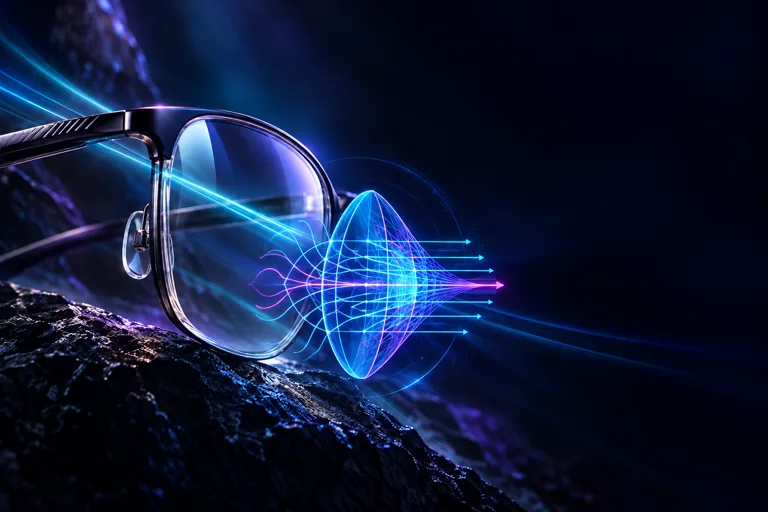
DuraTrace
Ray tracing in the actual position of wear
DuraTrace analyses ray paths and wavefronts. Lens-to-eye distance and frame angles contribute to calculations in designs using this technology.
Explore technology ↖ TECHNOLOGY
DuraTrack
Understanding eye and head movement patterns
Viewing-behaviour data and eye/head coordination support personalised design. Confirm the capability and measurement equipment for the selected model.
Explore technology ↖ TECHNOLOGY
DuraCore AI
Computational surface optimisation
The stated computational approach optimises surface geometry and power distribution; its use depends on the specific product's information.
Explore technology ↖ TECHNOLOGY
DuraAperture
Considering pupil aperture
In designs equipped with this technology, pupil diameter and viewing conditions are considered in the optical calculations.
Explore technology ↖ TECHNOLOGY
DuraMesh
Continuity of the power map
Network-based surface optimisation to manage power changes and peripheral-field stability.
Explore technology ↖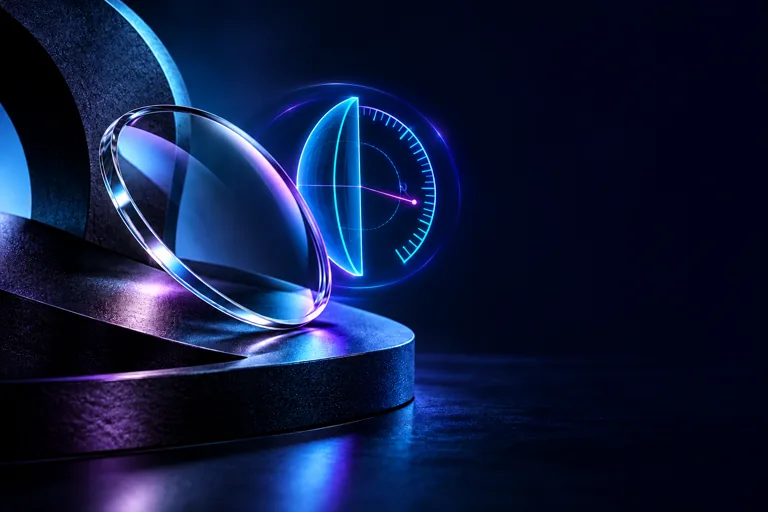 TECHNOLOGY
DuraBase
Calculation based on nominal power
Standard power calculation for designs that do not use full compensation of individual parameters; distinct from DuraTrace.
Explore technology ↖ TECHNOLOGY
DuraFit Inset / Core Inset
Positioning the near-vision corridor
Inset is the inward horizontal displacement of the near-vision path. DuraFit Inset and Core Inset are distinct approaches; read the type and range for each model.
Explore technology ↖ TECHNOLOGY
DuraVolume
Working distances in real space
Office-lens near/intermediate ranges are selected according to screen distance and workspace dimensions. They differ from general distance lenses.
Explore technology ↖ TECHNOLOGY
DuraShield
Caring for the lens surface
This coating is described as water/oil repellent and scratch resistant. Scratch resistance is not absolute scratch-proofing; confirm availability for each product.
Explore technology ↖ TECHNOLOGY
DuraTech LR
Reducing surface reflections
A low-reflection coating reduces light-source reflections on the lens surface. Transmission and spectral-filter range must be read from the product's own test and chart.
Explore technology ↖Measure before manufacture
Required parameters vary by design and must be recorded by a professional.
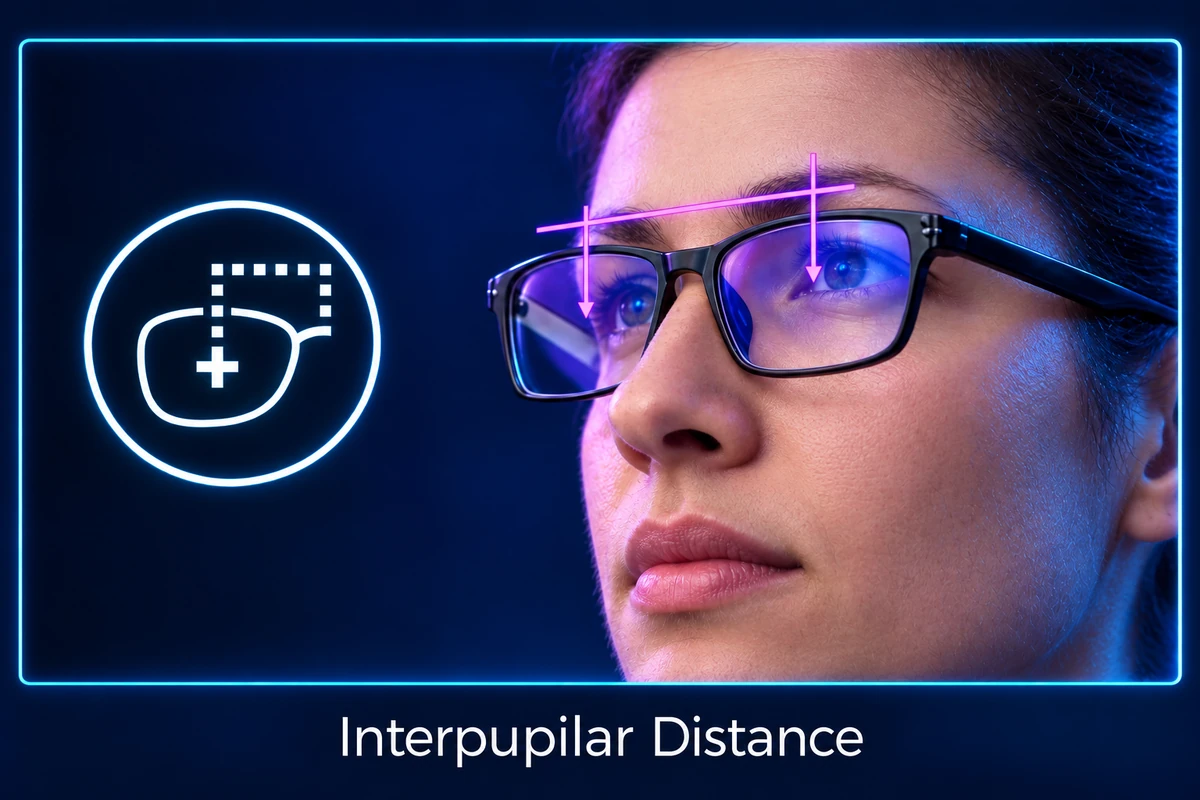
Monocular pupillary distance
For aligning the lens centre with each eye's visual axis.
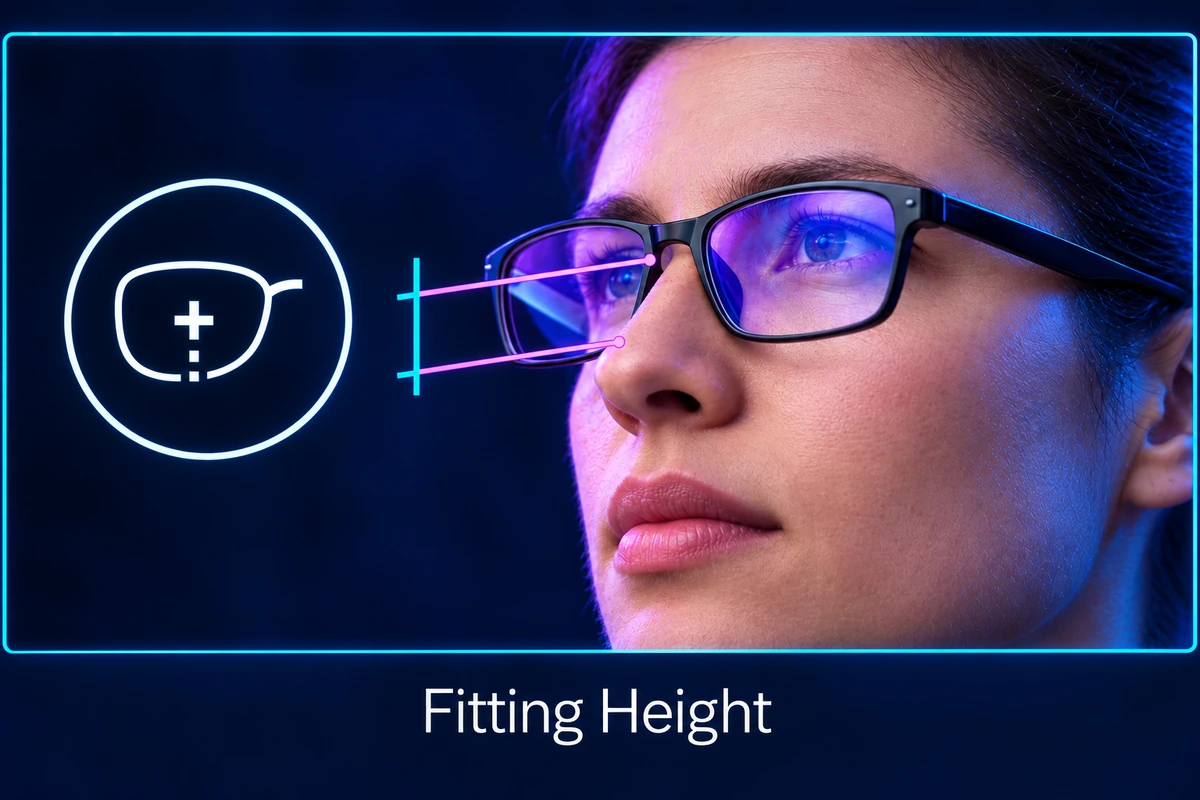
Fitting height
Vertical pupil position relative to the frame in the position of wear.
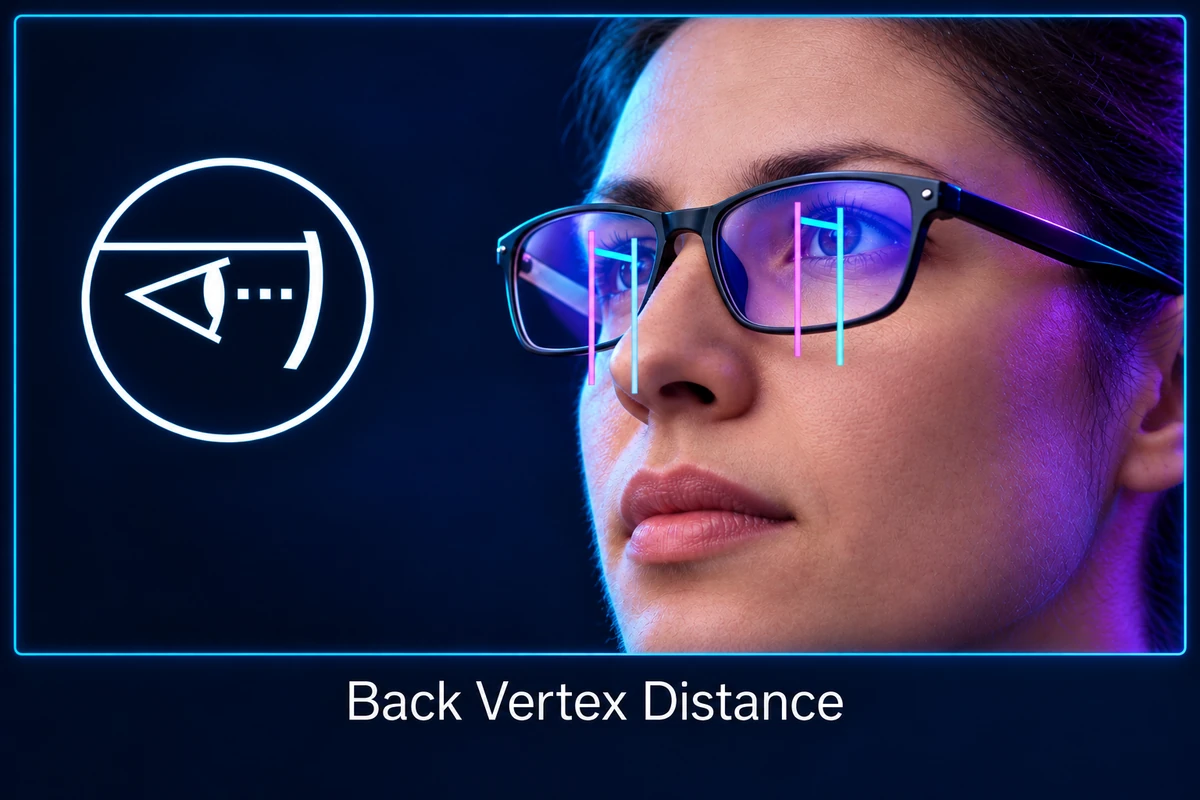
Back vertex distance
One of the inputs describing the actual position of wear.
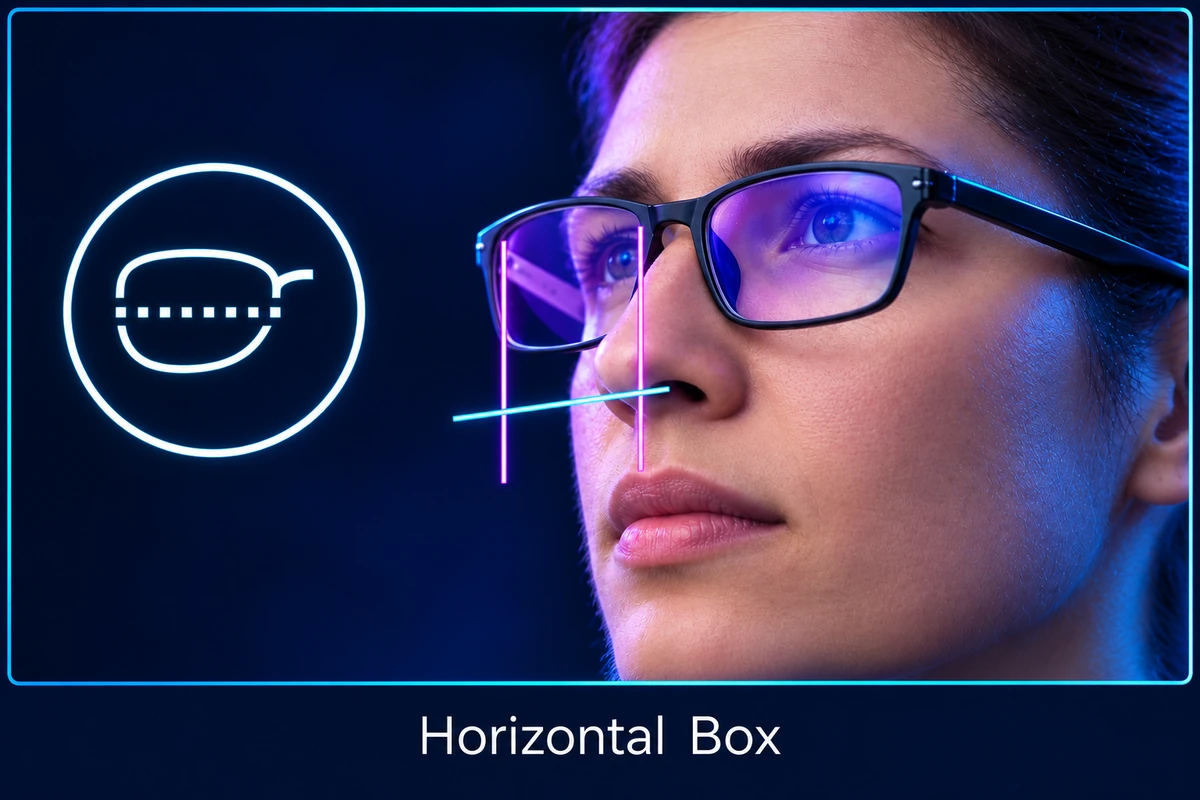
Horizontal frame box
Horizontal width of the frame opening in the boxing system.
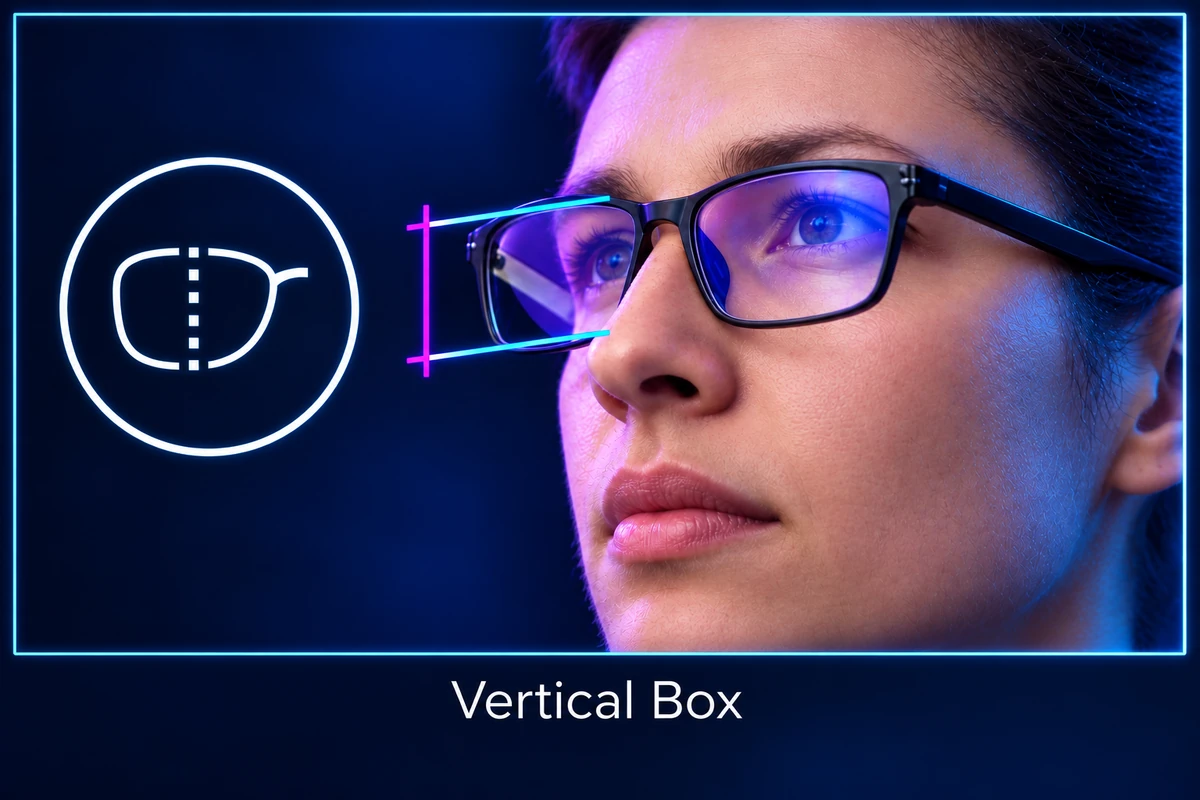
Vertical frame box
Vertical height of the frame opening.
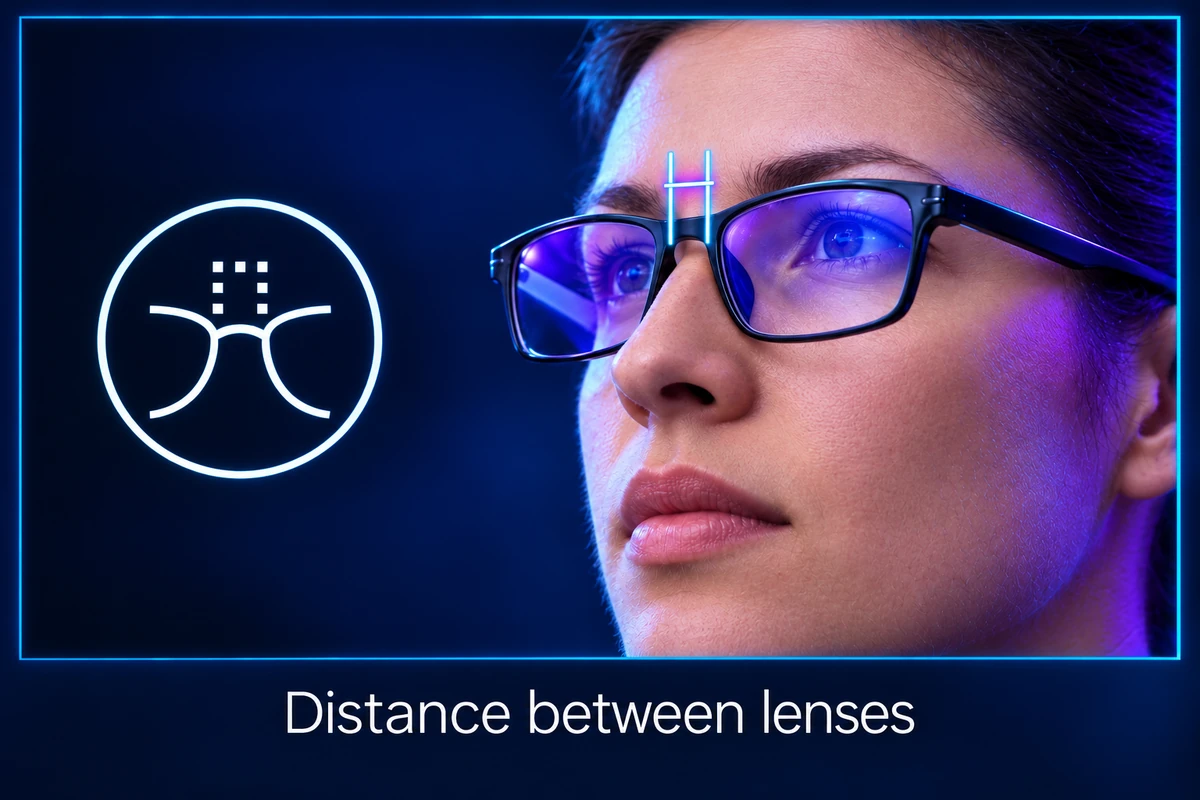
Distance between lenses
Distance between the two lens openings.
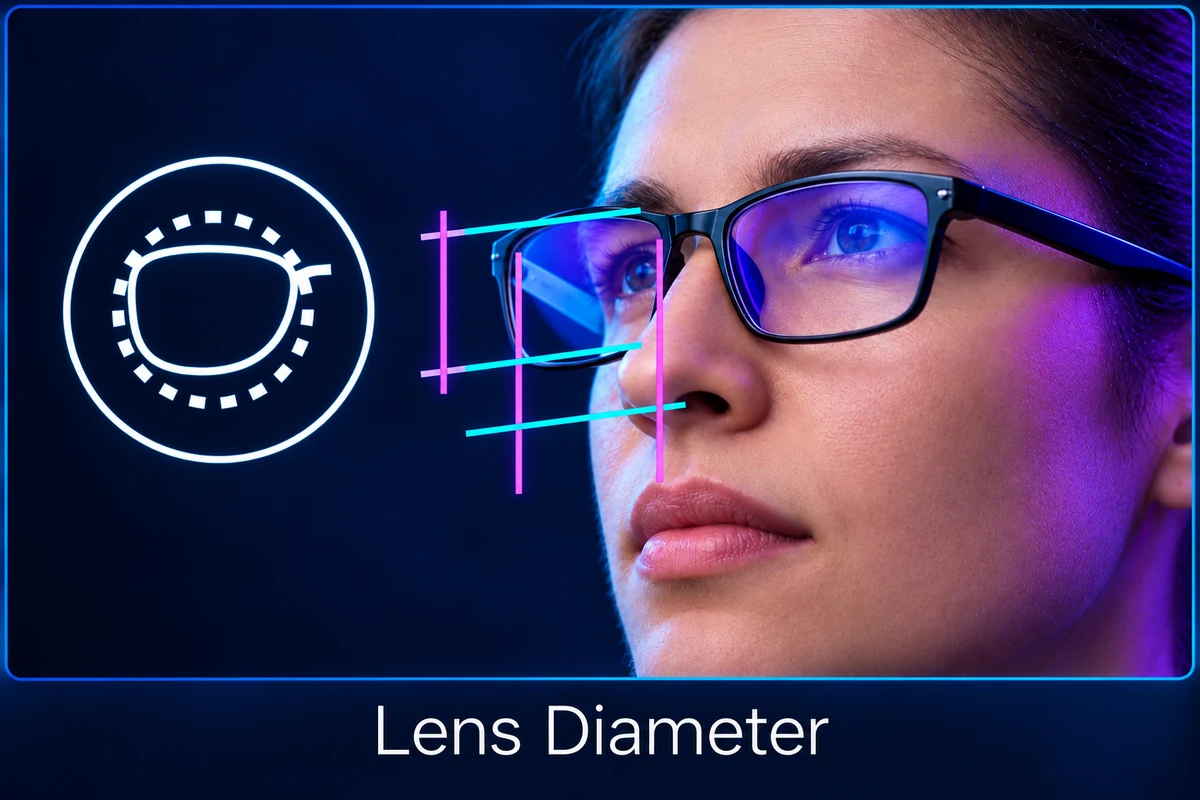
Effective diameter and blank selection
Effective frame diameter and blank diameter are related but distinct concepts.
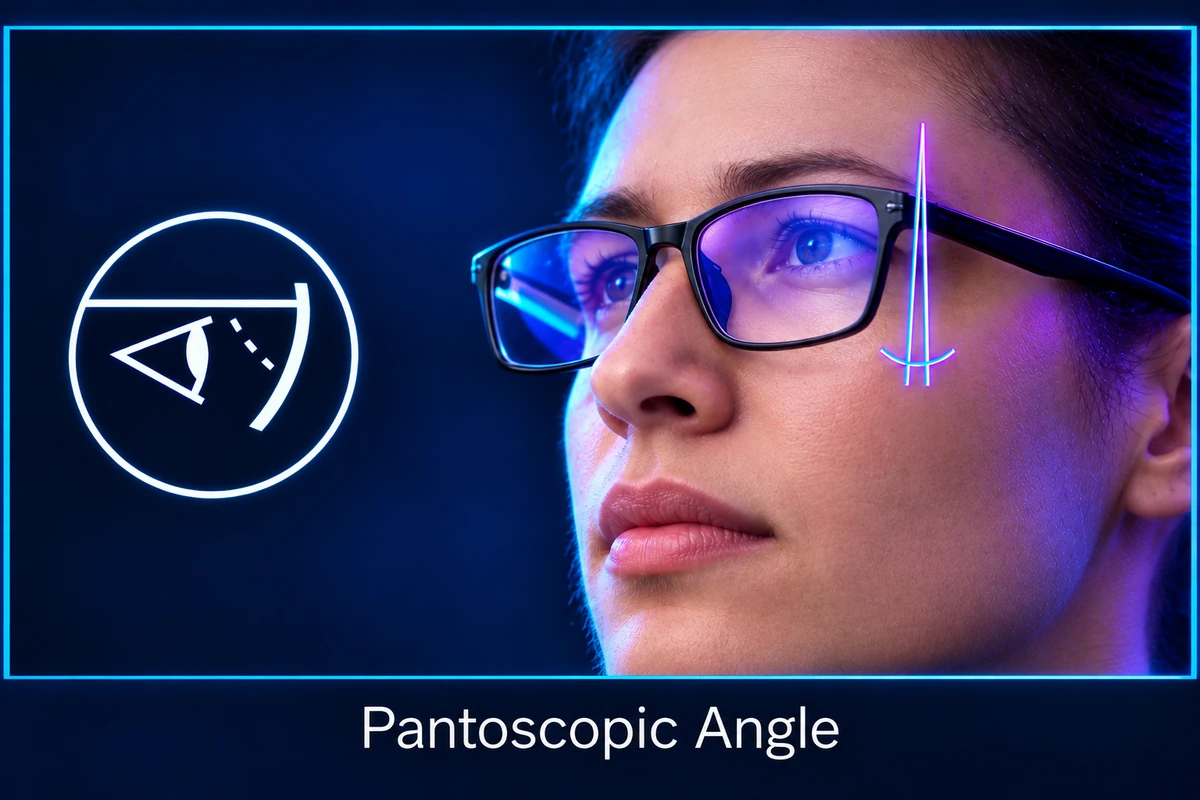
Pantoscopic angle
The frame's vertical tilt in its position of wear.
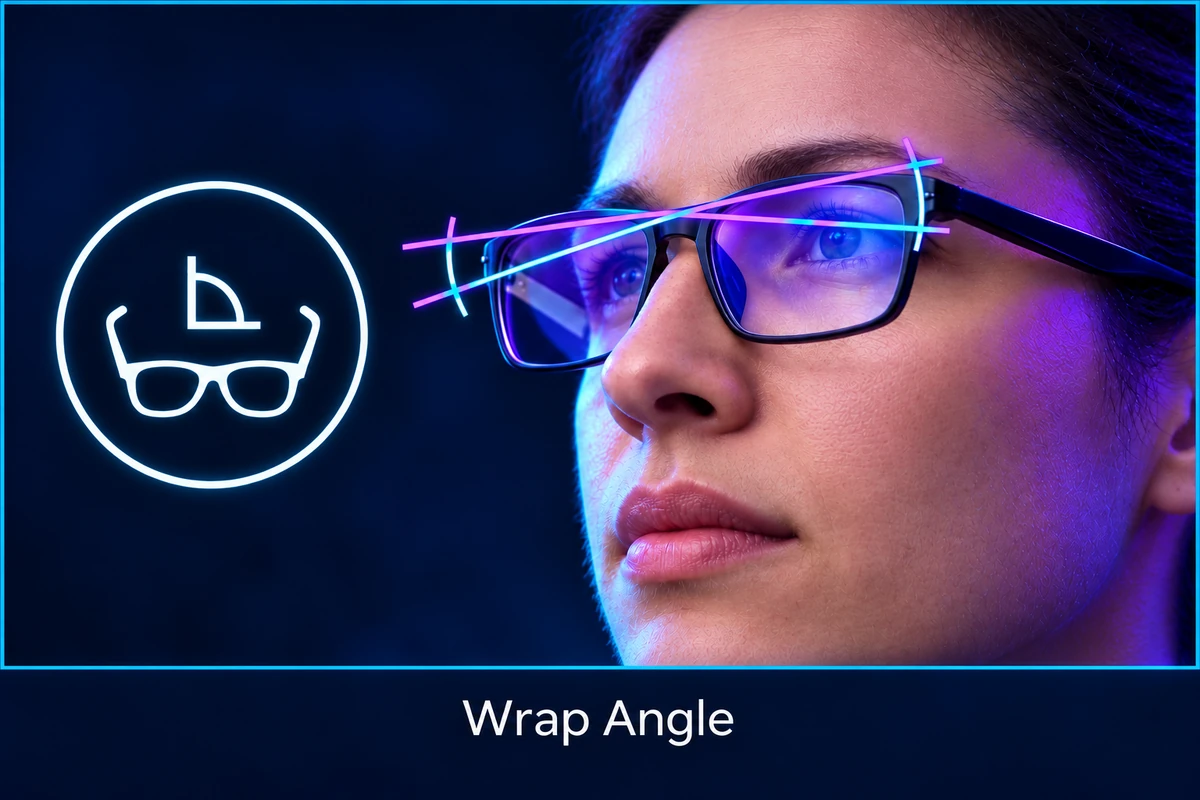
Frame wrap angle
The frame's horizontal curvature angle.
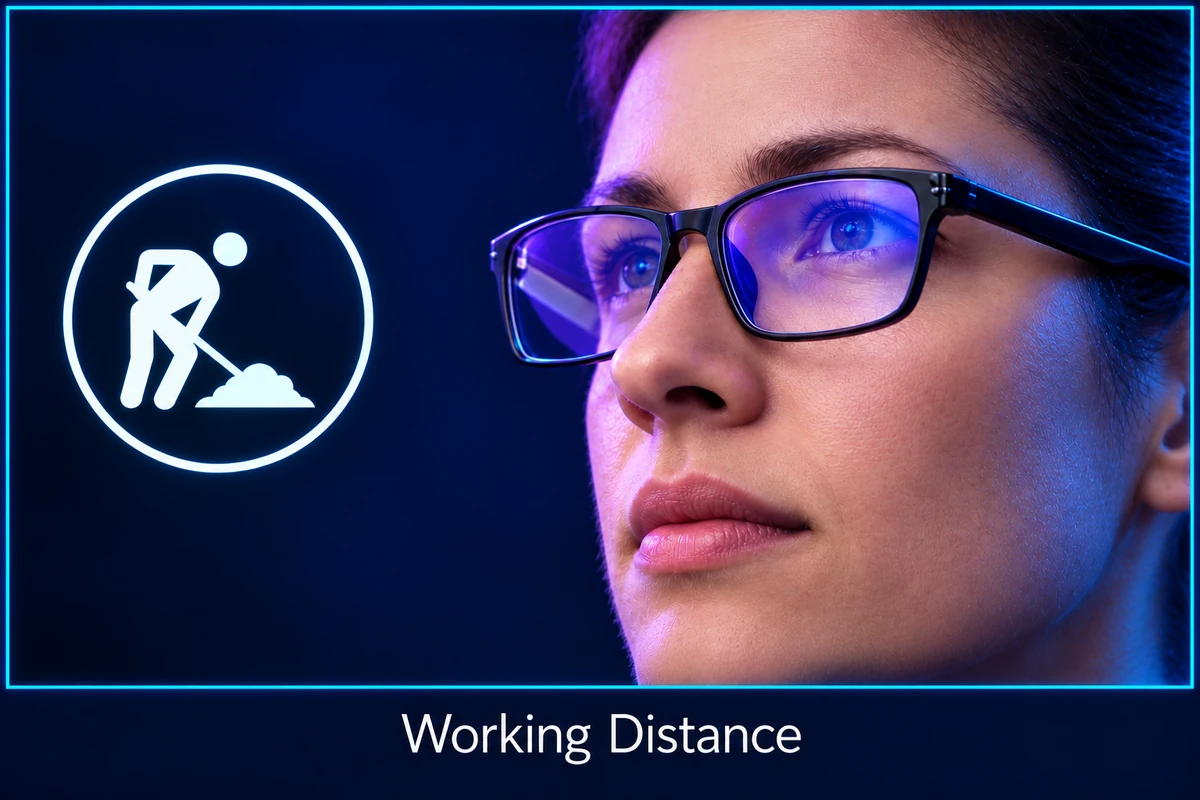
Working distance
Actual reading or screen distance used to choose the appropriate design.
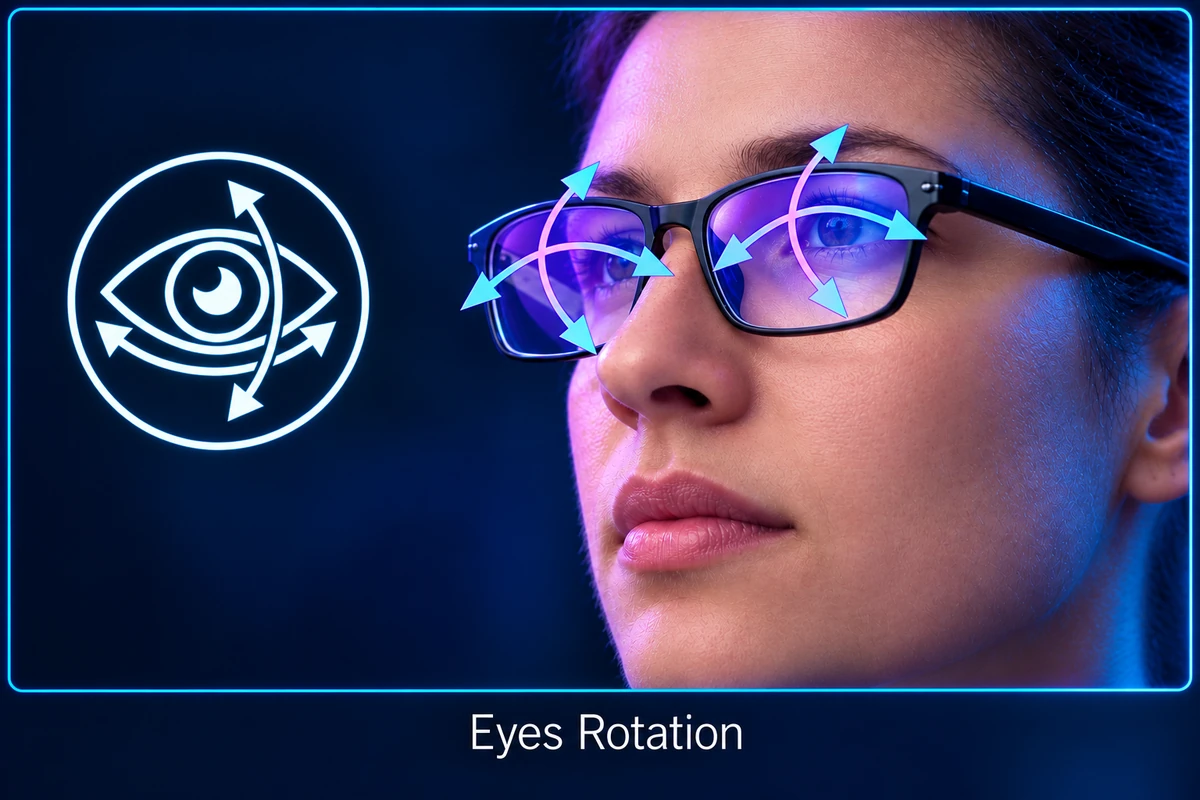
Eye movements
Viewing-behaviour data in designs equipped with this capability.
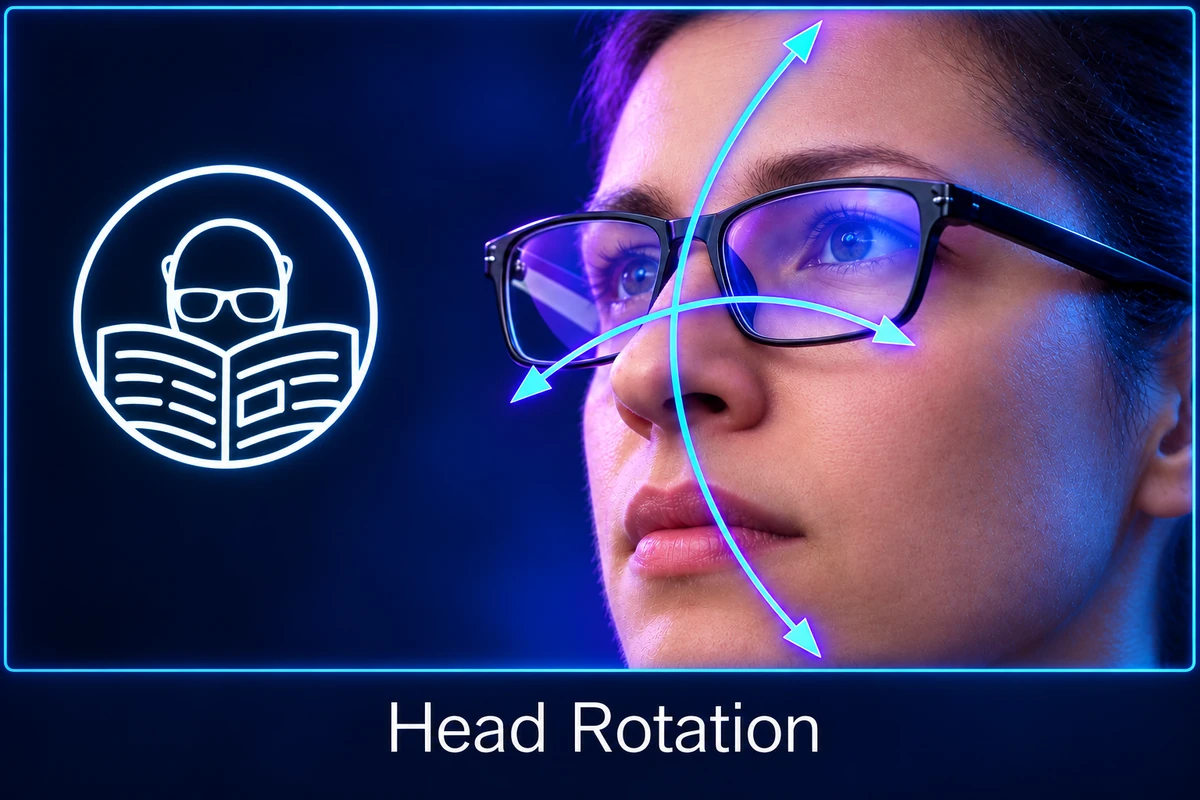
Head movements
Coordination of head and eye movement when measuring viewing behaviour.